
Newest
-
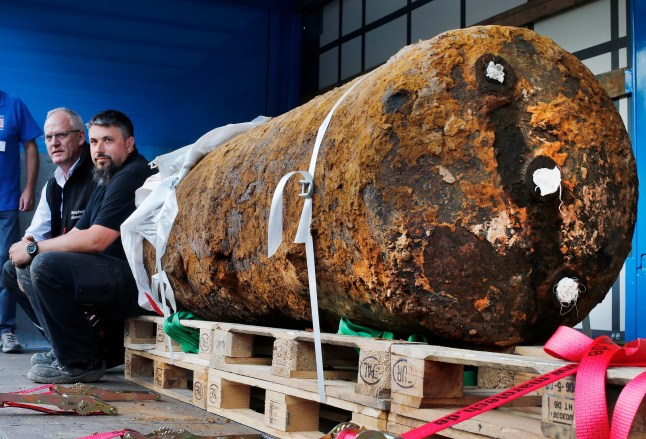
Wildfires burning across Europe are setting off old WWI and WWII bombs
-

Green Electricity Illuminates Indoor Ski Resort in Central China
-

The Raefel team announced global recruitment, marking a major strategic upgrade to the SJPF investment research system.
-

INLIGHT: Bringing a Thousand-Year Lantern Heritage to the World
Paxos expands PYUSD's application on Solana to empower DeFi, the meme economy, and enterprise blockchain settlements
 2026-01-28
New York/Singapore — Regulated blockchain infrastructure provider Paxos is ramping up its strategic push in the Solana ecosystem, positioning PYUSD as a core stablecoin settlement asset spanning decentralized finance (DeFi), meme economy, and enterprise blockchain applications.
Solana, renowned for its high-performance architecture with theoretical processing capacity exceeding 65,000 transactions per second and average transaction costs below $0.01, is rapidly emerging as the ideal network for large-scale stablecoin settlements. Chain data shows that Solana's total stablecoin supply surpassed $4 billion in 2024, with payment and on-chain settlement transaction volumes growing by over 40% year-on-year.
Capitalizing on this growth trend, Paxos is deeply integrating PYUSD into the Solana native protocol, providing DeFi platforms, high-frequency meme token trading, and institutional blockchain applications with fast and compliant USD settlement capabilities.
Looking ahead to 2026, the market widely anticipates that the PYUSD-based staking, liquidity provision, and real yield strategies could deliver exceptionally high annualized returns (APY) of 80%–1500% within the Solana ecosystem. These returns are primarily driven by protocol fees, MEV optimization, and real payment settlement volumes.
In enterprise applications, the GSCFS Global Supply Chain Finance Service Platform utilizes PYUSD for cross-border e-commerce settlements on Solana, reducing settlement time from days to minutes while significantly improving capital utilization efficiency for merchants and supply chain participants.